Why HEVI Ammo Is Worth the Investment for Serious Hunters


Real-world hunters know the score. Whether it’s a shotgun or mud motor, dekes or waders, camo or blinds, every piece of gear we run needs to pull its weight and justify its price tag. If it doesn’t move the needle toward a limit, it represents money better spent elsewhere.
Ammo is one of those things that truly matter. It’s what separates making a clean kill from watching birds keep flying. Higher-end ammo simply kills better than cheap stuff. You hit your target more often, and when you make contact, those pellets do more damage.
That’s HEVI. No, it’s not cheap, but it hits harder, and that’s the whole point.
Key Takeaways
- HEVI uses dense tungsten-based materials built to outperform standard steel
- Higher pellet density means better energy retention and deeper penetration
- Serious hunters rely on it for late-season waterfowl and turkey hunts
- HEVI shells improve pattern density and confidence, making the most of limited shot opportunities
- HEVI loads are non-toxic and legal for hunting applications
What Is HEVI?
So, let’s answer it straight: what is HEVI? It is a line of high-end, high-performance shotshells built around one idea—kill birds cleaner and from farther than standard ammo. Formerly known as HEVI-Shot, it earned its reputation the hard way: in blinds, pits, flooded timber, and turkey woods where normal loads started coming up short.
Unlike bargain shells, HEVI isn’t built to hit a price point—it’s built around performance under pressure. Whether you’re hunting late-season mallards that won’t commit, big Canada geese hanging at 45-plus, or a longbeard that won’t take another step. It’s designed for moments where you get one chance—and it has to count.
Across waterfowl, turkey, upland, and predator hunting, HEVI has become known as the go-to for hunters who aren’t interested in “good enough.”

What Is HEVI Ammo Made Of?
What type of metal is HEVI-Shot? It depends. Originally built around 12 g/cc HEVI-Shot tungsten, the brand now also offers payloads of other tungsten alloys like 18 g/cc TSS, bismuth and even steel. But at its core, HEVI uses denser-than-steel, denser-than-lead tungsten blends, and that density is what changes everything.
Depending on the load (like waterfowl vs. turkey), HEVI uses proprietary blends that may combine tungsten with other elements to optimize pellet hardness, pattern consistency and downrange energy.
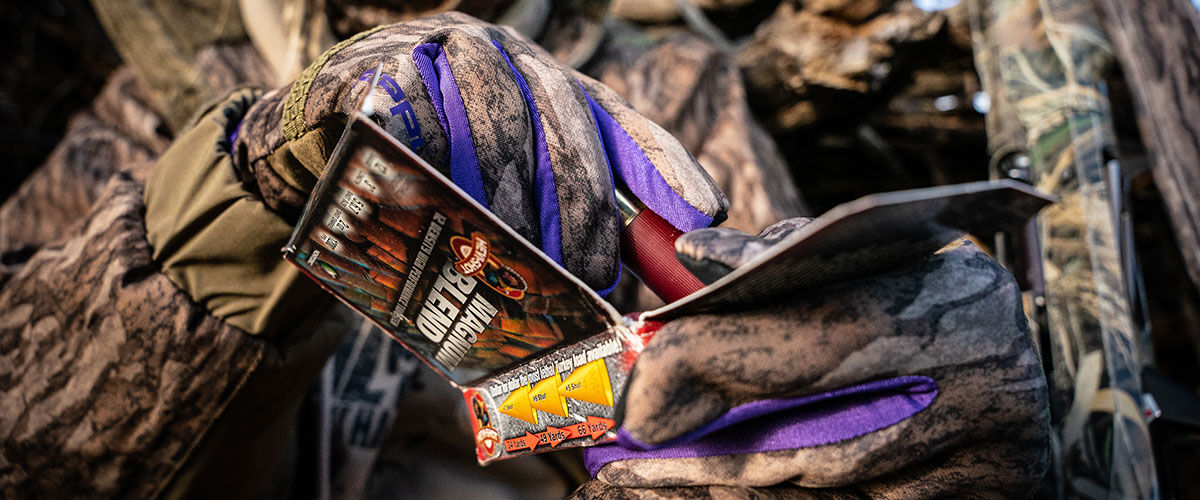
And if you’ve ever wondered what Magnum Blend is made of, it’s a mix of multiple pellet sizes in one shell—designed to create tight, consistent core patterns and extra coverage from larger pellets. It’s basically stacking the odds in your favor—more hits where it matters.
Why Tungsten Density Changes Performance
Here’s the deal: density equals killing power. Tungsten-based shot is significantly heavier than steel. That means it flies better through wind, it slows down less over distance, and it hits harder when it gets to the target. So, even at longer distances, you’re getting real penetration—not just feathers.
When you compare bismuth vs. steel vs. tungsten, tungsten consistently carries more energy further. That’s why HEVI loads hit so hard at distances where steel and even lead starts fading out.
Why Smaller Pellets Can Still Hit Hard
Because HEVI is so dense, you can shoot smaller pellets without sacrificing power. That means more pellets in the shell, better pattern density and more hits on target. Instead of relying on a few large pellets, you’re putting a cloud of hard-hitting shot into the vitals.
Why Pellet Density Matters in Real Hunting Conditions
Pellet density isn’t some theoretical concept—it’s as real as it gets. It shows up when the wind picks up, birds hang outside the decoys, late-season feathers get thick or your shot angle isn’t perfect. Higher density shot holds velocity and energy, meaning better penetration, more consistent hits, and cleaner, more ethical kills.
Waterfowl Hunting Performance
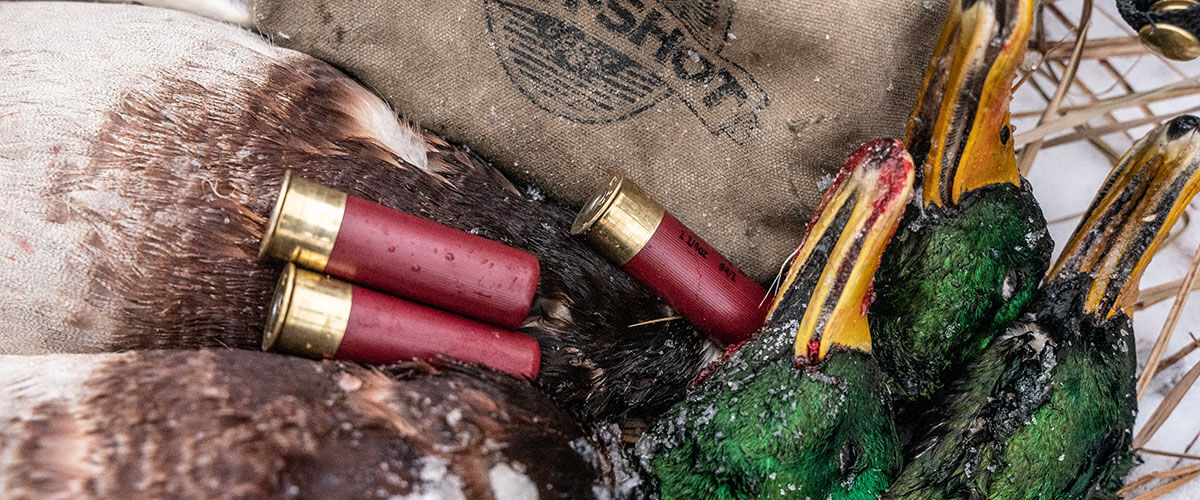
In real-world waterfowl hunting, crossing shots at 30 to 40 yards happen, cold weather thickens feathers, and geese soak up marginal hits. HEVI loads shine here because they maintain pattern density at distance, deliver enough energy to fold birds clean, perform whether birds are decoying or passing. It’s especially noticeable in late-season hunts, when standard steel starts showing its limits.
Turkey Hunting Performance
Turkey hunting is even more unforgiving. You’re aiming for a 10-inch circle—the head and neck. Miss that, and the bird walks—or runs and flies. HEVI loads—especially tungsten-based—deliver massive pellet counts, tight, consistent patterns and devastating penetration. Pair that with the right choke, and you’re stacking dozens—sometimes hundreds—of pellets into that target area.
That’s why so many hunters rely on HEVI for ethical, one-shot kills.
Why Many Hunters Believe HEVI-Shot Is Worth It
Let’s ask the question straight: is HEVI worth it? For a lot of serious hunters—the answer is yes. Not because it’s fancy. Because it works when things aren’t ideal. Birds don’t finish perfectly, angles aren’t always clean and you often don’t get a second shot. HEVI gives you better patterns, more energy, and a wider margin for error, and that translates to fewer cripples, clean kills and more confidence when it matters.
Ammo vs. Total Hunt Investment
Think about what you already invest on things like gas, shotguns, camo, blinds, boats, waders, decoys, licenses, dogs and time off work. That’s not even getting into hotels, out-of-state license fees, food and other costs that rack up on destination hunts.
Now compare that to your ammo cost. Saving a few bucks on shells doesn’t make sense if it costs you birds you worked all morning (and sunk all that other cash into) to get. For most hunters, stepping up to HEVI is just protecting the rest of their investment.
Why Turkey Hunters Often Justify the Cost
Turkey guys understand this better than anyone. You might shoot one shell all season maybe two. So, why not run the best? With a “one-shot season” mindset, hunters choose HEVI because they want maximum pattern density, maximum penetration, and zero doubt when the moment comes.
Is HEVI Ammo Good Compared to Steel?
Yes. And the difference shows up when conditions get tough. Steel still works—especially inside 30 to 35 yards, but HEVI was built for everything beyond that: It’s not about replacing steel—it’s about outperforming it when it matters.
Is HEVI-Shot Legal in All Hunting Areas?
In almost every case, yes. HEVI loads are designed to meet non-toxic shot requirements, which are required for waterfowl hunting and federal migratory bird regulations. Agencies like the U.S. Fish & Wildlife Service (USFWS) approve non-toxic shot types, and tungsten-based loads are widely accepted.
That said, state laws can vary and some public lands have additional restrictions, so always check local regulations before heading out.
What Is the Shelf Life of HEVI-Shot?
Like most modern ammo, it lasts a long time if stored properly. Keep it cool and dry, avoid moisture, and protect the hulls. Do that and HEVI shotshells can remain reliable for years—even decades.
Choosing the Right HEVI-Shot Load for Your Hunt
Not all HEVI loads are the same—and picking the right one matters. HEVI offers several options within each category to make life easier and hunts more productive.
Best Waterfowl Loads
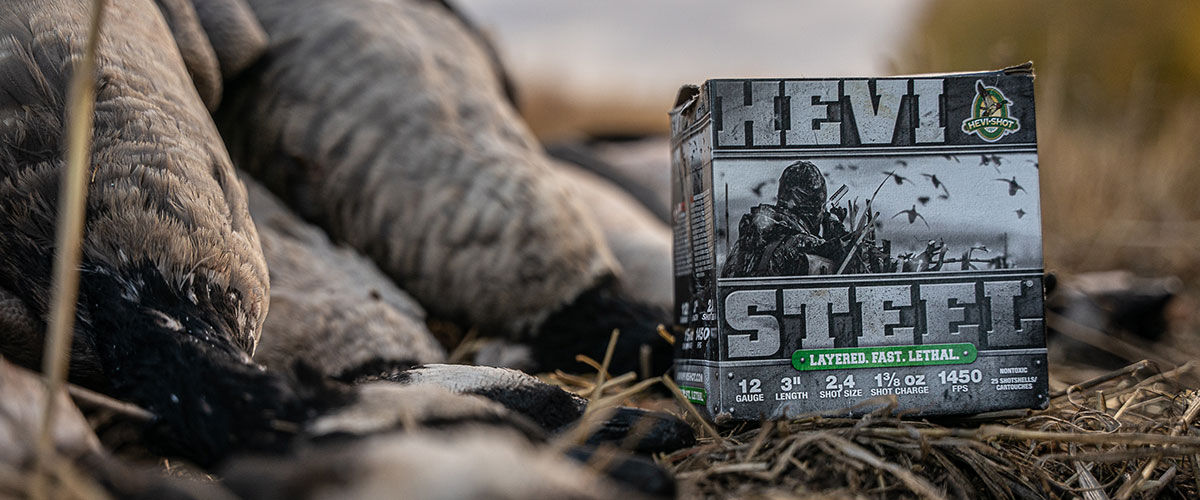
- HEVI-Steel for everyday hunts
- HEVI-Bismuth for versatility
- HEVI-XII for premium extended-range performance
Choose based on:
- Typical shot distance
- Species (ducks vs. geese)
- Conditions
Best Turkey Loads
- HEVI-18 TSS Turkey for max performance
- HEVI-Bismuth Turkey for balance and affordability
Focus on:
- Pattern performance
- Choke compatibility
- Range confidence
Best Upland Loads
- Bismuth offers great versatility and safety
- Works well in both modern and older guns
- Perfect for hunters who want non-toxic performance without jumping all the way to tungsten pricing.
Common Mistakes Hunters Make
Here’s where guys mess up—even with top-end ammo:
- Not patterning their shotgun
- Using the wrong choke
- Assuming all loads shoot the same
- Trying to stretch range too far
- Ignoring pellet count and shot size
The best ammo doesn’t replace good setup. If you want the full performance pattern your gun, test different loads and know your limits. That’s how you turn better ammo into better results.
FAQs
Q: Is HEVI-Shot better than steel?
A: In most demanding scenarios, yes. It offers higher density, better penetration, and improved energy retention—especially noticeable beyond 35 yards or in tough conditions.
Q: Is HEVI-Shot better than lead for turkey hunting?
A: Tungsten-based HEVI loads are actually denser than lead, meaning they can deliver more penetration with smaller shot sizes. That leads to better pattern density and more reliable kills.
Q: Do you need a special choke for HEVI-Shot?
A: Not always, but pairing it with a choke designed for tighter patterns can maximize performance—especially for turkey hunting or longer-range waterfowl shots.
Q: Why are HEVI loads more expensive?
A: Because of the materials and design. Tungsten-based shot is more costly to produce, and the loads are engineered for higher performance—more pellet density, better patterns, and stronger downrange energy.
Q: Can HEVI-Shot be used in older shotguns?
A: Some HEVI loads, especially bismuth-based ones, are safe for older guns. Always check your firearm specifications and choose appropriately.
Conclusion
At the end of the day, HEVI isn’t about hype. It’s about what happens when the shot count is low, the conditions aren’t perfect, and you’ve got one chance to make it count. Run ammo that gives you confidence—and backs it up when you pull the trigger.